


Grinding
Quantity
Price
29,00€
Description and details
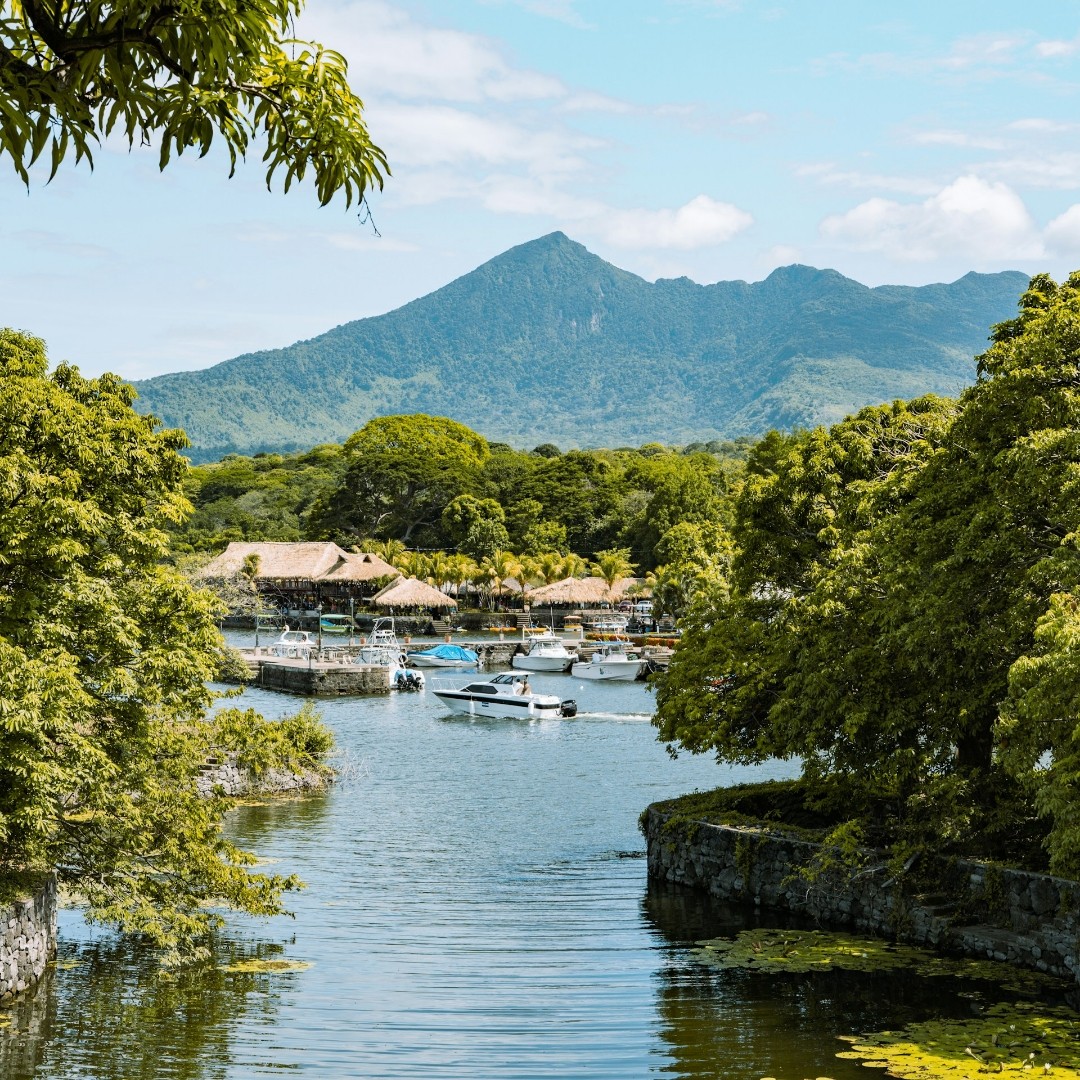
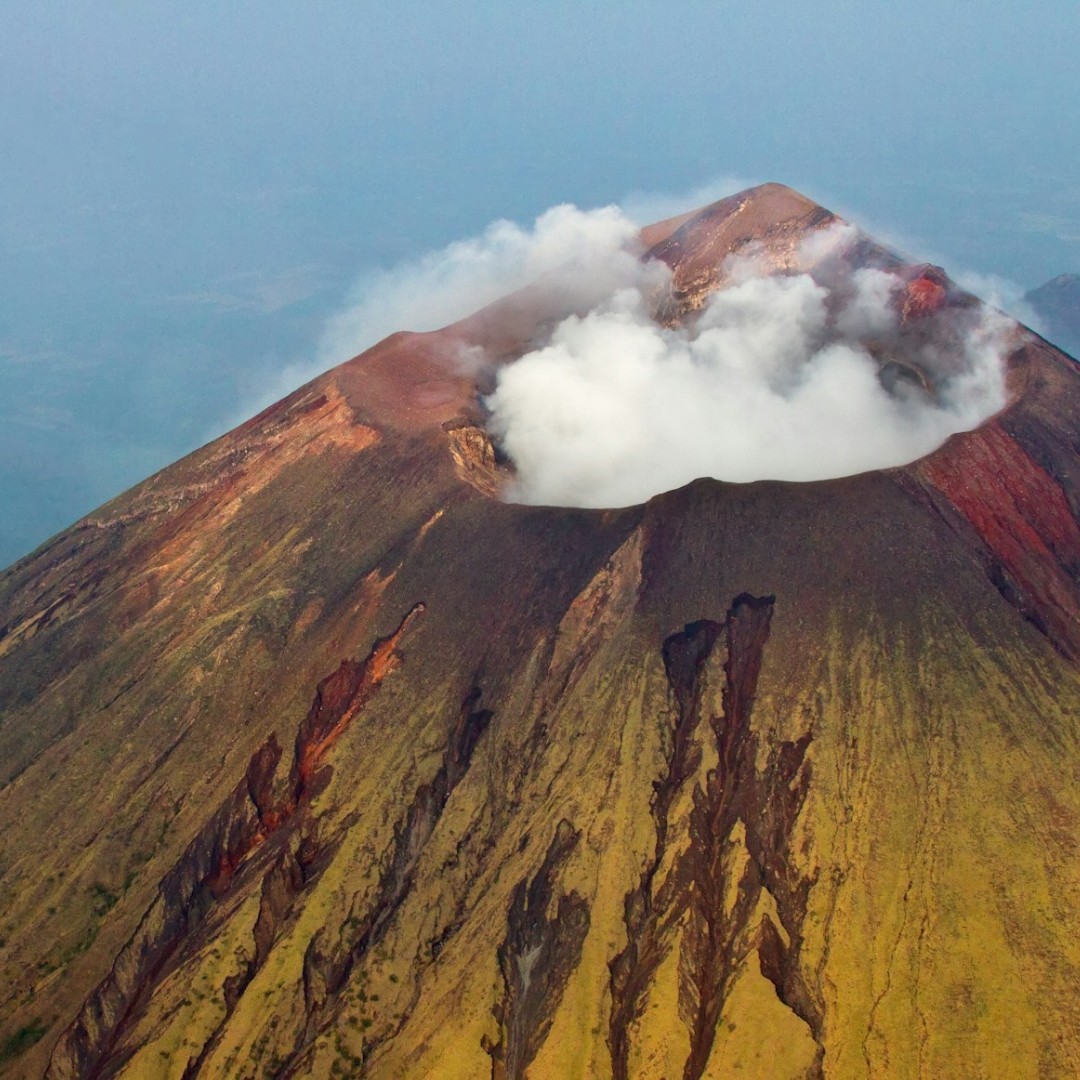
This coffee comes from the heart of the Jinotega mountains, a region in northern Nicaragua, between Jinotega and Matagalpa, on the edge of the Cerro Datanlì – El Diablo nature reserve, one of the country’s oldest volcanic highlands. The fertile soil, the cool climate and the abundant rainfall – which, for nine months of the year, condenses into mists that envelop the peaks and highest slopes – promote the slow ripening of the coffee cherries and result in an extraordinary aromatic profile in the cup.
- Origin: Nicaragua
- Region: Jinotega - Cerro Datanlì - El Diablo
- Botanical Species: Arabica
- Varieties: Caturra & Bourbon
- Classification: RED HONEY - CR. 17+
- Altitude: 1,400 - 1,630 metres above sea level
- Processing: Red Honey
SCA score at origin
Aroma
8.00


Taste
8.25
Acidity
8.00
Aftertaste
8.25
Body
8.00
Equilibrium
8.25
Global
8.00
Uniformity
10.00
Sweetness
10.00
Cup
10.00
Score
86.75
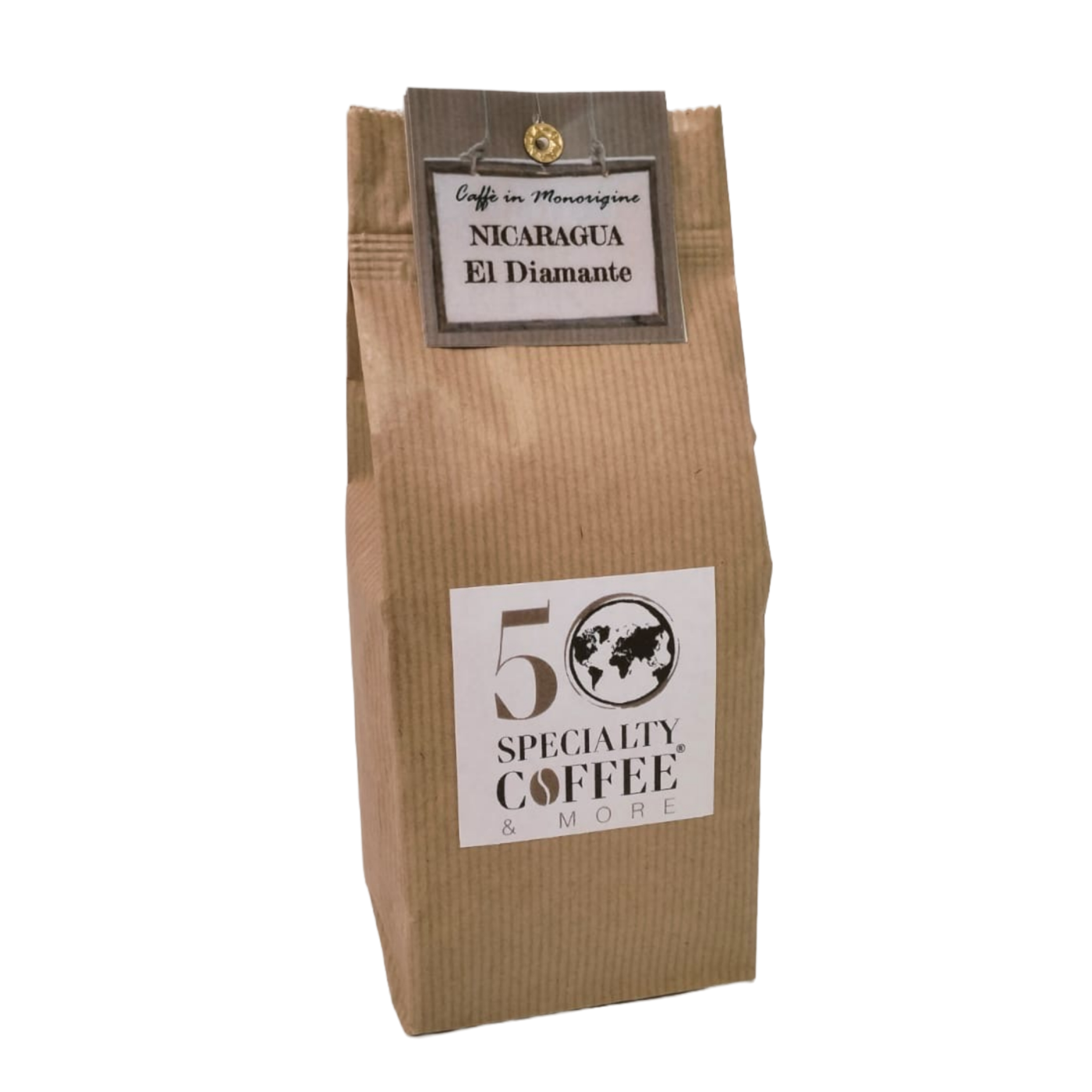
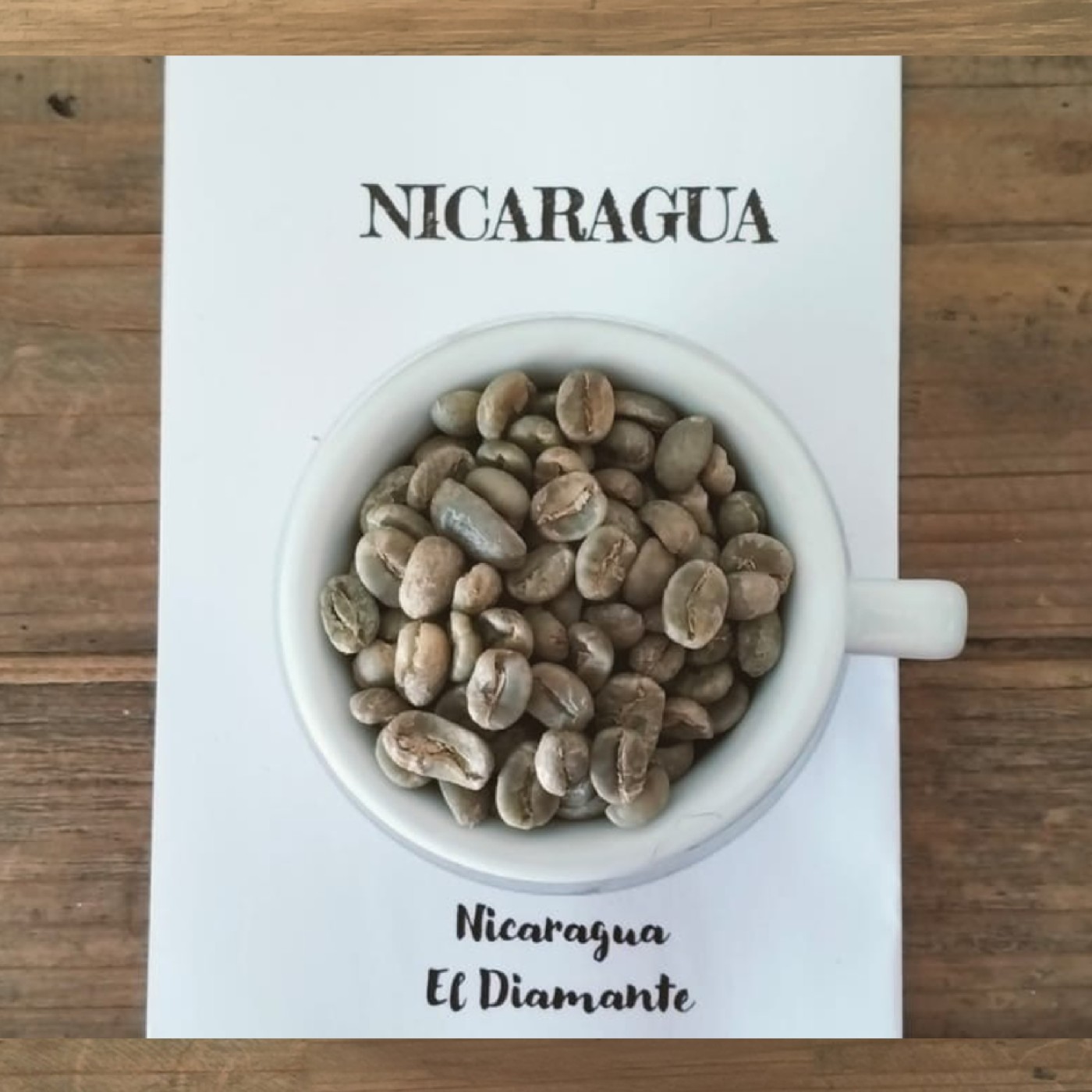
Nicaragua Red Honey El Diamante
The beans for this Speciality are grown at Finca Las Mercedes, on the farm owned by Francisco del Socorro Salgado, who has been passionately dedicated to coffee for over thirty years. He promotes his work through Aldea Coffee, a large cooperative and association of small-scale coffee producers founded in 1992 in Jinotega by just 22 members to help small farmers access credit. Today, it not only represents thousands of farming families, offering financial support, technical assistance and speciality coffee export services, but also promotes sustainable agricultural practices, gender equality – with a strong presence of women amongst producers and microcredit programmes – and fair and transparent trade. This batch has been processed using a specific method, the Red Honey process, which preserves part of the mucilage during drying and thus helps to develop a cup that is particularly sweet yet balanced and rich in nuances.
Once harvested, the ripe cherries are pulped immediately, but only partially, so that a significant portion of the pulp – around 50 per cent – remains attached to the bean. The coffee is then dried slowly without being fully washed, allowing the natural sugars present in the mucilage to influence the drying process. This is evident in the cup: a profile that combines the typical cleanliness of washed coffees with a greater complexity of aromas and a decidedly richer body.
You might also be interested
About us
Unverified reviews from Google
-

Alessandro
September 2026
Difficilmente si trova un luogo di lavoro che ti avvisa quando il tuo prodotto é in fase di preparazione, addirittura mandandoti il video della fase di tostatura del caffè appena ordinato. Caffè Fusari eccelle nel servizio alla clientela,al pari dei... -
Valeria Lombardi
September 2026
Prodotti eccellenti e servizio molto curato (Translated by Google) Excellent products and very attentive service -
Elisa Orsatti
August 2026
L'esperienza e i prodotti fanno la differenza. Tutto il personale è in grado di rispondere alle tue richieste e soddisfare le tue esigenze per qualsiasi tipo di necessità. Parliamo poi di un prodotto poi senza eguali !!! (Translated by Google) Exper... -
enrico tuoni
August 2026
Finalmente ho provato il caffè Fusari. Complimenti perché e’ un prodotto di alta qualità, molto equilibrato. Ci vediamo al prossimo ordine!! Saluti (Translated by Google) I finally tried Fusari coffee. Congratulations, it's a high-quality, very bal... -
Adele Olivieri
July 2026
Un caffè davvero eccellente che si sente in ogni tazza. L'aroma è intenso e la freschezza del prodotto fa la differenzadi un prodotto di qualità. A rendere l'esperienza ancora più piacevole è la titolare, una persona di una gentilezza unica e attenta... -
Alessandra Sirugo
July 2026
★ ★ ★ ★ ★ -
Paolo Bustreo
July 2026
Caffè ottimo, sicuramente ci saranno ulteriori acquisti e visita del punto vendita (Translated by Google) Excellent coffee, there will definitely be further purchases and visits to the store -
Alberto Piubello
July 2026
Lavoro da 30 anni nella cooperazione sanitaria internazionale, tra America Latina, Africa e Asia, e in questi viaggi ho imparato ad apprezzare i caffè monorigine specialty, comprati direttamente in piantagione. Cercavo da tempo in Italia una torrefaz... -
Pierfranco Minsenti
July 2026
Ho ordinato un caffè mono origine della varietà Geisha che avevo scoperto da poco ma che non avevo mai provato: il Colombia Geisha Reinaldo Lopez. L’ho trovato straordinario per l’aroma e la leggerezza, che dipende anche dalla tostatura. Lo bevo prep... -
Mery Bison
July 2026
Ho conosciuto Caffè Fusari tramite la loro pagina Instagram ed è da tempo che cercavo degli specialty coffee. Ho deciso di acquistare dal loro il Perù Pichanaki e GUATEMALA EL PASTORAL. Monica è stata super gentile e disponibile: mi ha persino inviat... -
nicola cavallari
June 2026
Eccellente torrefazione, ottimi caffè, consegne sicure. Per gli amanti della più conosciuta bevanda al mondo, una garanzia di soddisfacenza elevata. (Translated by Google) Excellent roasting, excellent coffees, safe deliveries. For lovers of the wor... -
Rosario De Micco
June 2026
Buon caffè ,servizio veloce e molto professionale. Consiglio l’acquisto ,io ho provato black e biologico . (Translated by Google) Good coffee, fast and very professional service. I recommend buying it; I've tried the black and organic versions. -
GUIDO MAESTRI
May 2026
Sto provando alcune qualità per trovare quella che preferisco, comunque tutti ottimi prodotti. Servizio clienti puntuale e molto efficiente. Guido (Translated by Google) I'm trying a few different ones to find my favorite, but they're all excellent... -
Pietro Mozzi
May 2026
★ ★ ★ ★ ★ -
marcosatry
May 2026
Qualità del caffè eccellente!! (Translated by Google) Excellent coffee quality!! -
Valentina Amoroso
May 2026
★ ★ ★ ★ ★ -
Helmer Herrera
May 2026
Esperienza di acquisto top. Caffè eccellente (Translated by Google) Top shopping experience. Excellent coffee. -
Cigdem Yilmaz
May 2026
Sehr nette Location und herzliche Familie!!! Sie haben Ahnung Von Kaffee!! Immer wieder gern -
Gemma D'Alessandro
May 2026
Ho provato uno dei caffè monorigine, buonissimo! Tostatura perfetta. (Translated by Google) I tried one of the single-origin coffees, delicious! Perfect roast. -
Gianluca Pennella
May 2026
Ottimo caffè anche biologico ed a tostatura chiara, introvabile! (Translated by Google) Excellent coffee, even organic and light roast, hard to find! -
Liliana Tomasello
March 2026
Non ho visitato di persona il laboratorio perché ho ordinato on line. Tutto è stato perfetto dall'ordine alla spedizione. Efficiente e veloce. Il caffè è ottimo e tostato come lo desideravo. Lo compreremo nuovamente! Consigliatissimo! (Translated by... -
Matt Frank
March 2026
Caffè di qualità, molto gentili e spedizione impeccabile! (Translated by Google) Quality coffee, very kind and impeccable shipping! -
Βλαδιμιροσ Κωνσταντοπουλος
March 2026
Ottimo caffè crudo buona qualità ... servizio di spedizione top... gentili e cortesi ... (Translated by Google) Excellent raw coffee, good quality... top shipping service... kind and courteous... -
Tommaso Lucarelli
March 2026
Azienda davvero eccellente sotto ogni punto di vista. Caffè ricercati ed unici, qualità al top senza compromessi. Servizio clienti davvero performante e spedizione in tempi rapidissimi. Un vero e proprio punto di riferimento italiano per gli amanti d... -
Gianmaria Suergiu
March 2026
Servizio e qualità TOP!! Ho testato sia un loro Speciality Coffee sia la loro miscela "Black". Colpito positivamente da entrambi!!! Credo che per molto tempo la miscela Black sarà lo standard di casa mia!! (Translated by Google) TOP service and qua... -
Yuri Rinaldi
March 2026
★ ★ ★ ★ ★ -
Luca
March 2026
Ho ordinato come prova 3 tipo di caffè in grani monorigine tipologia SPECIALTY! Buonissimi e particolari tutti con diverse sfumature di sapore Ho apprezzato il servizio, veramente impeccabile sia per la velocità di realizzazione della spedizione (non... -
Simone Selva
March 2026
Caffè ottimo e ancora meglio il servizio. Dal prevendita alla spedizione. Spettacolari. Acquisterò sicuramente altre volte. Monica meravigliosa! (Translated by Google) Excellent coffee and even better service. From pre-order to shipping. Spectacular... -
Alex Cabbia
February 2026
★ ★ ★ ★ ★ -
Ettore Diana
February 2026
Raccomando caramente e professionalmente questo torrefatore, per il suo prodotto di alta qualità, per il servizio, la rapidità e il rapporto umano che ti riesce a dare con semplicità, da persona sincera e perbene, il titolate riesce a combinare tra p... -
Daniyal Ahmed
February 2026
Gentilissimi e super professionali. Difficile non diventare clienti abituali (Translated by Google) Extremely kind and super professional. It's hard not to become a regular customer. -
Marco Romito
February 2026
Caffè, passione, servizio, what else? Anni che non bevevo ☕️ , qui ne vale veramente l'occasione, monocultivar e miscele di grande qualità (Translated by Google) Coffee, passion, service, what else? I haven't had a drink in years ☕️, but this is... -
Francesca Baule
February 2026
Il prodotto é fragrante e la spedizione molto curata. (Translated by Google) The product is fragrant and the shipping was very careful. -
Arianna Trevisani
February 2026
Davvero complimenti a questa piccola realtà, dove una famiglia lavora con dedizione per creare un prodotto eccellente. Da due anni il nostro caffè, grazie! Consiglio di visitare anche il laboratorio, vi conquisterà! (Translated by Google) Congratula... -
Simone Pasotto
January 2026
Mi sono recato in torrefazione come accordi senza fretta. Accoglienza straordinaria con un assaggio dei loro prodotti. Si vede chiaramente che il loro lavoro non è solo vendere, ma hanno una grande passione per quello che fanno. Ottima la spiegazione... -
Angela Urzino
January 2026
Qualità ottima, consegna perfetta, pacco con un imballo stupendo. (Translated by Google) Excellent quality, perfect delivery, package with beautiful packaging. -
Marta
January 2026
Ampia scelta di caffè, interessanti e di alta qualità, descrizioni puntuali ed utili per la selezione. Ottimo servizio di vendita e post vendita. Sapere che il caffè scelto viene macinato al momento solo per noi è un plus! Consigliatissimo!! (Transl... -
stefano dei scappini
January 2026
Per gli amanti del vero caffè, la Torrefazione Fusari è veramente ben consigliata a tutti. Troverete un ambiente accogliente e un ottimo servizio, oltre al personale molto cordiale. Grazie al mio amico Matteo per avermi portato a conoscenza di questa... -
Jessica Tadeo
January 2026
Caffè di ottima qualità. Servizio eccellente! Ho chiesto delle informazioni tramite WhatsApp e sono stata contattata dalla titolare che mi ha fornito tutte le informazioni che volevo. Ho comprato, per un regalo a mio marito, la confezione assaggio Af... -
Michele Cattafesta
December 2025
Quando ci vado faccio sempre scorta: in due consumiamo circa 1 pacchetto a settimana. Di solito prendo le loro miscele, ma ogni tanto provo anche qualche specialty. Mi piace molto la loro tostatura, e il caffè è davvero ottimo. (Translated by Google... -
Laura Santoro
December 2025
Qualità, professionalità e servizio impeccabili Ho acquistato online da Caffè Fusari un caffè raro, non sempre facile da reperire. Con grande piacere e soddisfazione ho potuto constatare che offrono una versione autentica e di altissima qualità. Il... -
By Forest
December 2025
Sono stato per la prima volta da caffè Fusari, sono rimasto molto colpito dall accoglienza familiare, mi hanno spiegato molte cose e sono ripartito con un caffè appena tostato, super! (Translated by Google) I went to Caffè Fusari for the first time... -
daniela gabbin
December 2025
Ho acquistato on line del caffè in grani come regalo da questo laboratorio artigianale. La spedizione è stata veloce e mi hanno inviato un video su WhatsApp della tostatura fresca prima dell'invio. Ho apprezzato questa accortezza e la gentilezza del... -
Eleonora Contini
December 2025
ho ordinato dei prodotti dallo shop online: ottima la comunicazione, i prodotti e la spedizione ! (Translated by Google) I ordered some products from the online shop: excellent communication, products and shipping! -
Flavia Rubichi
December 2025
★ ★ ★ ★ ★ -
Stefano Benzone
December 2025
Il caffè Fusari è il top del caffè , merita i 5 stelle Lo acquisto in grani e poi macino la dose necessaria per preparare il caffè per iniziare la giornata Il caffè del Centro America o del continente Africano è quello che preferisco Altro elemento p... -
Andrea Basile
November 2025
Caffè di ottima qualità. Prezzo più che onesto e servizio impeccabile. Caffè Fusari è un'azienda con prodotti di livello superiore ed è anche una famiglia: accoglienza, disponibilità, sorriso e tantissimo amore per il proprio lavoro, per l'ambiente... -
silvia faletto
November 2025
★ ★ ★ ★ ★ -
K
November 2025
Eccezionali! Ho ordinato due caffè mono origine in grani. La spedizione è stata rapidissima e l’attenzione al cliente è davvero fuori dal comune: mi è stato mandato un video della tostatura del caffè! Gesto veramente apprezzatissimo!! I caffè sono ar... -
Massimo Celati
November 2025
★ ★ ★ ★ ★